

Why Is My Cat Not Using the Litter Box? Causes and Fixes for Canadian Homes
If you’re asking “why is my cat not using the litter box,” you’re not alone—and you’re not stuck. When cats avoid their box, it’s usually a clear message: something about health, space, litter, stress, or routine is off. The longer it goes on, the bigger the mess, the higher the stress, and the harder it is to fix. But with a simple plan, you can turn this around.
In this guide, we’ll help you find the real reason your cat is peeing or pooping outside the litter box, decide what to change first, and choose gear that fits your home and budget. You’ll learn what works for new owners, small apartments, multi-cat homes, and senior cats. This is practical advice you can use today—without overspending.
Disclosure: This article may contain affiliate links. If you buy through these links, Paw Pickly may earn a commission at no extra cost to you.
Quick Answer
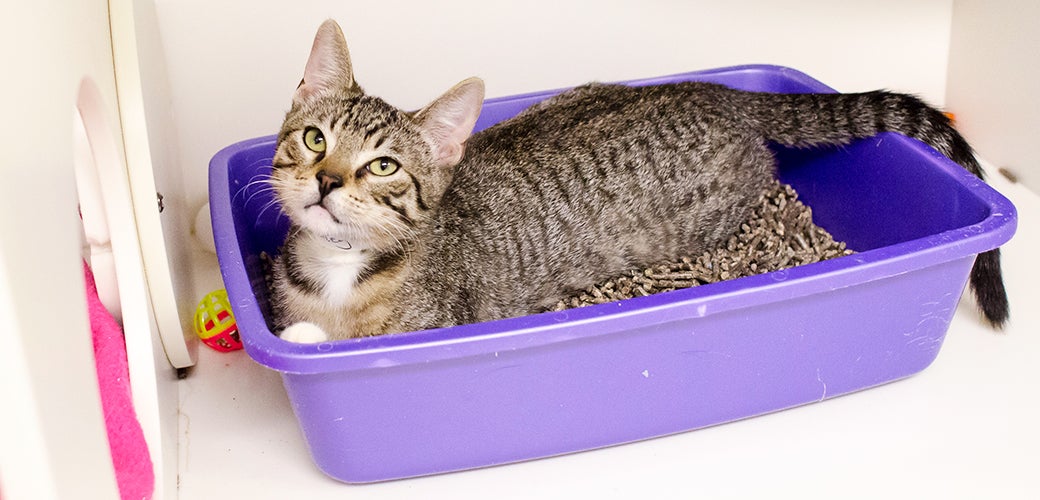
Most litter box problems come from four causes: health issues, a box that’s too small or hard to reach, litter your cat dislikes, or stress from change or other pets. Rule of thumb: see a vet for sudden changes, offer one box per cat plus one, use a large open box with unscented clumping litter, and scoop daily.

Why is my cat not using the litter box: why it matters
This problem is not “just a mess.” It affects comfort, safety, and your bond with your cat. When a box feels cramped, smells bad, or sits in a scary spot, your cat will avoid it. If urination is painful, your cat learns “box equals pain,” and you’ll find puddles elsewhere.
The fallout at home is real. Urine can soak baseboards, rugs, and subfloors. Odor lingers. Cleaning eats time and money. Replacing rugs or mattresses costs even more. In multi-pet homes, tension can rise fast when one cat “marks” and the others respond.
There’s also a long-game cost. A bad setup means more litter wasted, more time spent scrubbing, and more stress for you and your cat. The right setup reduces smell, tracks less litter, fits your space, and saves money over time.

What to Check First When Your Cat Won’t Use the Litter Box
You don’t need ten changes at once. Start with the basics below. Fix the most likely issue first, then reassess.
1) Rule out medical issues first
Why it matters: Health problems can make the box painful or urgent to use. Cats then avoid it.
Watch for: frequent trips, straining, crying, blood, licking the area, tiny clumps, strong odor, diarrhea, constipation, or sudden accidents in odd places (like cool tile). Sudden changes in a male cat can be an emergency.
Who should prioritize this: Anyone seeing a sudden shift, a senior cat, a male cat, or a cat with other behavior changes. If in doubt, call your vet. It’s always better to rule out pain early.
Common mistake: Changing litter and buying gadgets before checking health. If your cat is hurting, no box will fix it.
Practical steps:
- Call your vet if the change is sudden or you see straining, blood, or vocalizing.
- Keep a sample of soiled litter in a clean bag for your vet if needed.
- Switch to a large, low-entry box in the meantime to reduce pain on entry.
2) Box size and entry height
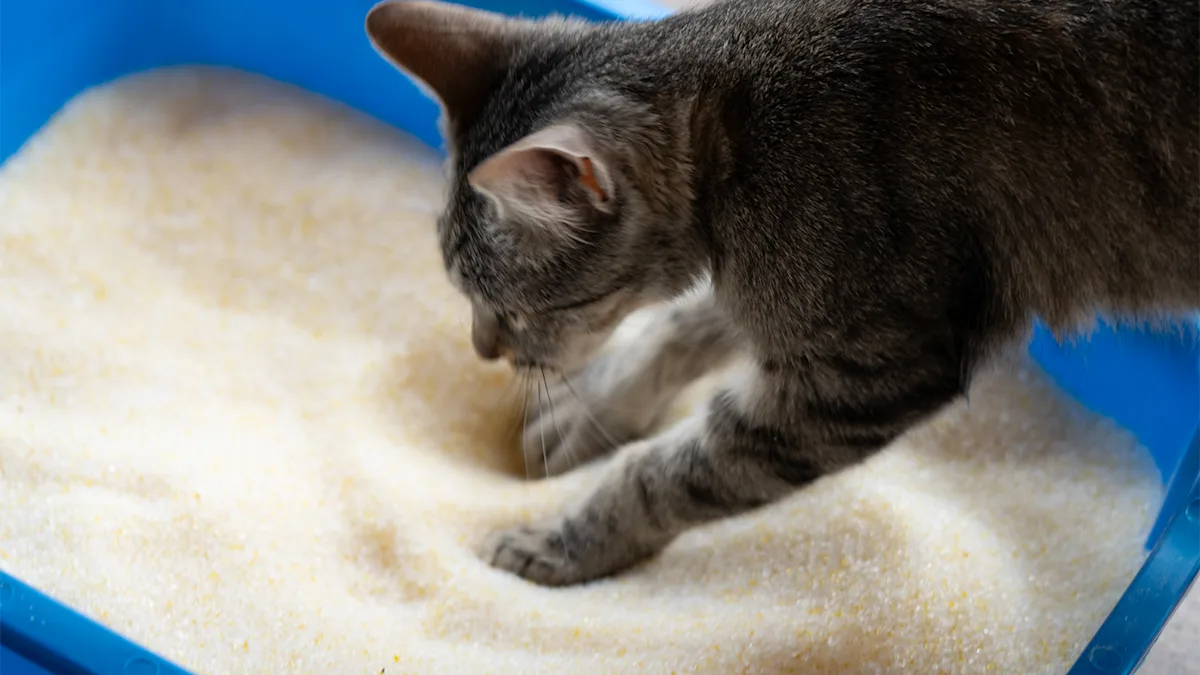
Why it matters: Many cats avoid boxes that are too small. They need to turn, dig, and posture without hitting the sides.
Who should prioritize this: Large cats (Maine Coons, big domestic shorthairs), kickers, and any cat who pees over the edge.
Common mistake: Buying the cheapest, smallest pan. It fills fast, smells worse, and leads to misses.
Guidance:
- Size: aim for a box that’s at least 1.5x your cat’s body length from nose to base of tail. For most adults, 18 × 24 in (or larger) works well.
- Walls: use high sides (8–10 in) for kickers and spray-prone cats, but add a low front (3–5 in) for easy entry.
- Number of boxes: provide one box per cat, plus one extra, in different spots.
3) Litter type and depth
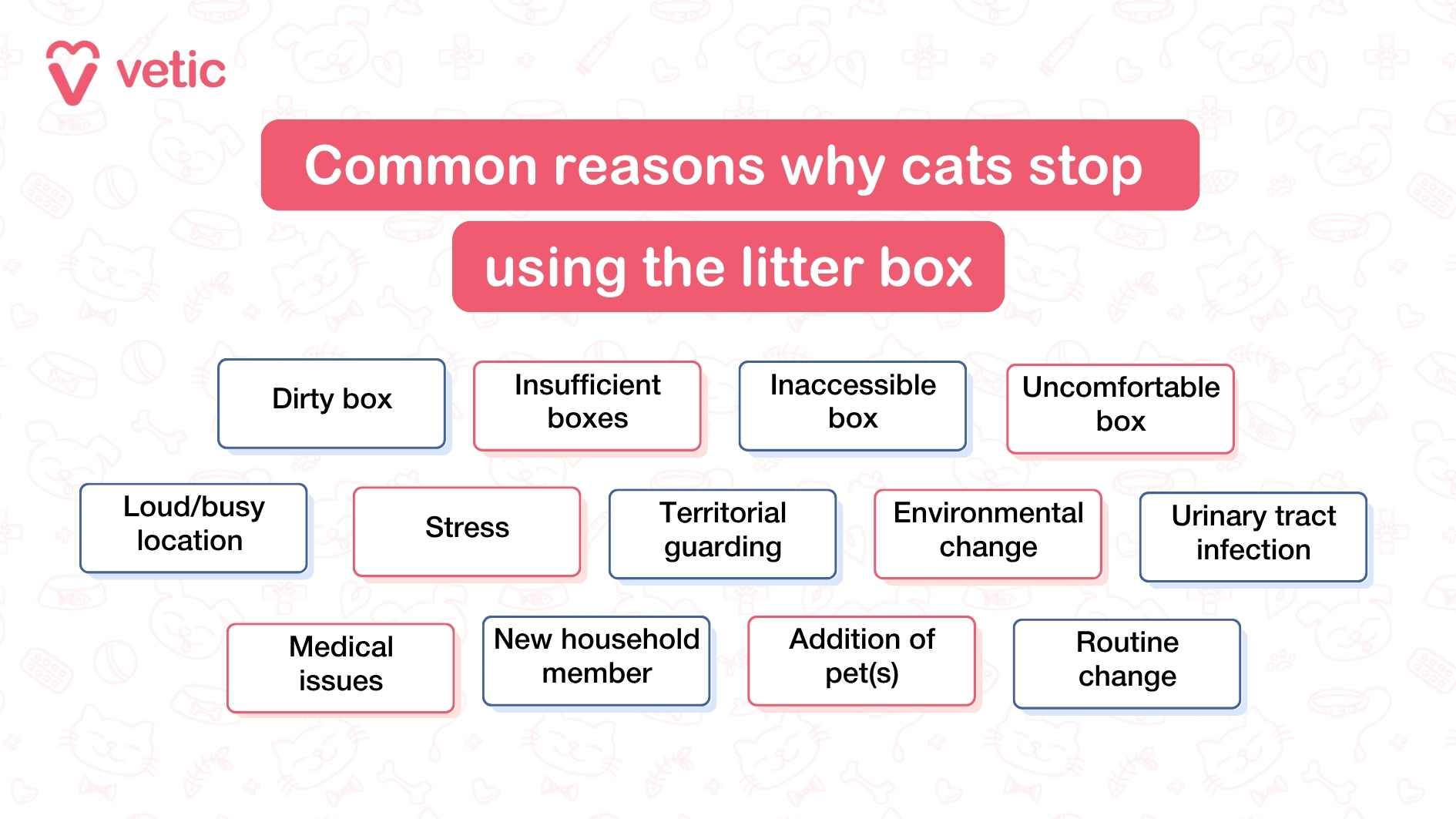
Why it matters: Texture and smell can make or break litter appeal. Many cats prefer fine, sand-like, unscented litter.
Who should prioritize this: Cats with soft paws, declawed cats, kittens, and picky diggers. Also, cats who walk in, sniff, and hop out.
Common mistake: Strongly scented litter. It masks smells for humans, but can be too intense for cats. Another mistake: shallow litter that doesn’t let cats dig and cover.
Guidance:
- Choose unscented, fine-grain clumping litter for most cats.
- Fill to about 2–3 inches deep. Add more (up to 4 in) for heavy kickers.
- Change brands slowly: mix 25% new with 75% old for a few days, then 50/50, and so on.
- Avoid sharp or pellet-style litters if your cat is rejecting the box; they can feel odd underfoot.
4) Cleanliness and odor control
Why it matters: A dirty box tells your cat to go elsewhere. Cats like clean spots as much as we do.
Who should prioritize this: Multi-cat homes, busy owners, and anyone noticing strong smell.
Common mistake: Scooping every few days. That leads to big clumps, more odor, and side-sticking mess that cats hate.
Guidance:
- Scoop daily (twice daily is ideal for small boxes or multi-cat use).
- Top up litter after scooping to keep depth even.
- Wash the box with mild soap and warm water weekly. Rinse well. Avoid citrus-heavy cleaners that can linger.
- Clean accidents with an enzyme cleaner designed for pet urine. Standard cleaners can leave residue and scent cats can still detect.
5) Location, access, and privacy
Why it matters: Cats avoid noisy, high-traffic, or “trapped” spots. They want to enter, turn, and exit with choice—not cornered.
Who should prioritize this: Apartment owners, homes with kids or dogs, and anxious cats.
Common mistake: Tucking the box in a tight laundry closet near a washer/dryer. The thump and spin can scare cats off the box for good.
Guidance:
- Place boxes in quiet, open spots with two exit paths when possible.
- Keep boxes away from food and water bowls.
- Provide a box on each floor you use daily.
- If your dog snacks from the box (it happens), use a baby gate with a cat door, or create a “cats-only” nook with side access—not a sealed closet.
6) Open vs. covered vs. top-entry boxes
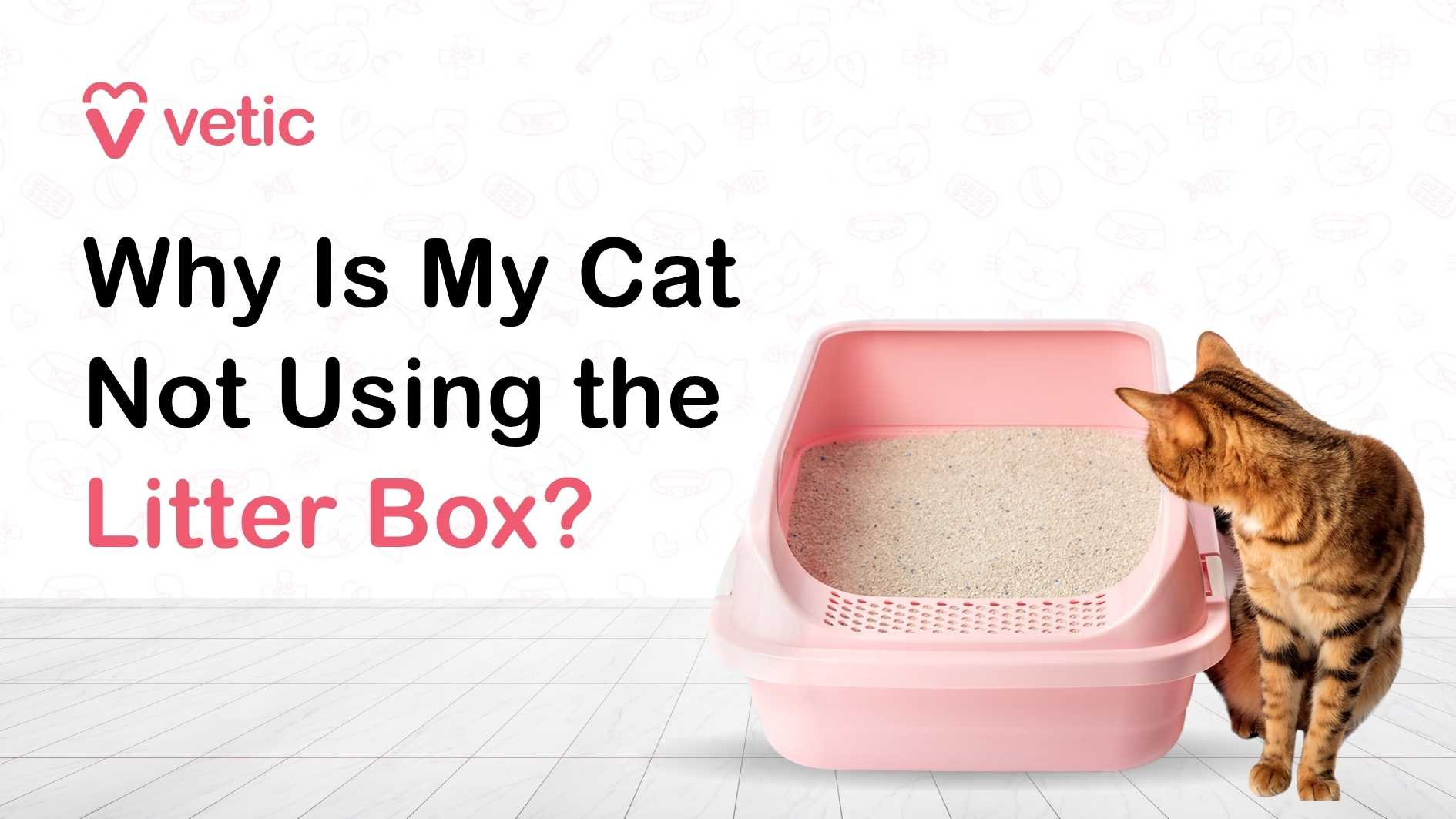
Why it matters: Some designs trap smell or feel cramped. Others reduce tracking but make entry hard.
Who should prioritize this: Owners balancing mess control, odor, and cat comfort.
Common mistake: Picking covered boxes for smell control without noticing the cat is avoiding them. Covered boxes can trap humidity and odor inside.
Guidance:
- Open, large, high-sided pans are the safest default for most cats.
- Covered boxes work for odor-sensitive homes, but open the flap or remove the door to improve airflow.
- Top-entry boxes cut tracking. They’re good for dogs that invade the box. But they’re less suitable for seniors, large cats, and kittens who can’t jump in easily.

7) Multi-cat dynamics and territory
Why it matters: Cats may block each other from shared boxes. One “bully” at the hallway can keep a timid cat from ever reaching the litter.
Who should prioritize this: Multi-pet homes, especially where cats don’t cuddle.
Common mistake: Lining up three boxes in one room. That counts as one resource. You need separation.
Guidance:
- One box per cat, plus one extra. Place them in different rooms if you can.
- Ensure at least one box gives a clear, quick exit path.
- Use multiple food and water stations to reduce tension across the home. More resources mean less guarding.
8) Stress, routine, and sudden change
Why it matters: New furniture, a move, renovations, a new baby, or a new pet can throw off habits. Cats like steady routines.
Who should prioritize this: Anyone who has changed litter brand, box type, or moved things around recently.
Common mistake: Switching multiple things at once. Your cat can’t tell what changed.
Guidance:
- Change one variable at a time and watch for improvement.
- Keep a steady cleaning schedule.
- Add vertical spaces, hiding spots, and daily play to reduce stress.
- Consider a pheromone diffuser if you see signs of tension, marking, or conflict. Discuss options with your vet if issues persist.
Common Mistakes to Avoid
You can save time and money by skipping these pitfalls.
- Buying a small, deep box that’s hard to enter and quick to smell.
- Hiding the box in a noisy, closed space “out of sight.”
- Using strong scents (candles, cleaners, perfumed litter) right beside the box.
- Lining up several boxes side by side in one room instead of spreading them out.
- Swapping litter brands overnight without a slow transition.
- Ignoring sudden changes that may signal pain or illness.
- Punishing your cat after accidents. It raises anxiety and makes the problem worse.
Which Setup Is Best for Your Cat and Home?
Every home is different. Match your setup to your cat’s size, age, and your space.
Best for new owners
Go simple and big. Start with an oversized open pan, high sides, and a low front. Use unscented clumping litter, 2–3 inches deep. Place it in a quiet corner with a clear exit path. Add a litter mat to catch granules at the door.
Why this works: It sets a strong habit from day one. You avoid the “covered box trap,” expensive gadgets before you need them, and brand whiplash. Stick with one good setup for a month, then adjust only if needed.
Best for kittens
Use a shallow, roomy pan with low entry (3–4 inches). Keep the litter soft and unscented. Avoid top-entry and covered boxes until your kitten grows and shows steady habits. Scoop often, since kittens explore and dig more.
Why this works: Kittens have short legs and short attention spans. Make the right choice the easy choice.
Best for senior cats or those with arthritis
Pick an extra-large box with a very low step-in front. Keep the floor free of obstacles and slippery mats. A soft, fine-grain litter is kinder on sore paws. Place boxes on each floor to cut stair trips.
Why this works: Comfort equals compliance. When entry is easy and digging is gentle, seniors keep using the box.
Best for large cats (or long-bodied breeds)
Size up. Use a 18 × 24 in pan (or larger) with at least 8–10 in high sides and a low front. Some storage bins (with a cut door) beat standard cat pans on length and splash control. Ensure strong, stable sides that don’t flex.
Why this works: Big bodies need space to turn and posture. Less splash, fewer misses.
Best for small apartments and condos
Consider a high-sided open box with a tight footprint and a good litter mat. If odor is a big issue, try a covered box—but remove the door flap for airflow—or consider a self-cleaning box if you have the budget and an outlet.
Why this works: You control tracking and smell without making entry hard. Space stays tidy.
Best for multi-pet households
Use multiple boxes in separate rooms. Mix styles: one open, one covered (door off), and one high-sided. Keep clear exit paths. If dogs invade, put at least one box behind a cat-only gate or use a top-entry box for the dog-free zone.
Why this works: Choice reduces stress and blocking. Different cats can pick what they like and avoid conflict.
Best for budget-conscious owners
An oversized open pan plus unscented clumping litter and a basic enzyme cleaner get you 90% of the way there. A simple plastic mat cuts tracking. Skip pricey liners and specialty deodorizers. Spend on size, not gimmicks.
Why this works: You address the main reasons cats avoid boxes—space, texture, and cleanliness—without bells and whistles.
Product Examples Worth Comparing
Not every home needs a fancy setup. These examples show how different designs solve common problems. Always check size and entry height before you buy.
Oversized open litter pan (low front, high sides)
Best for: Most cats, new owners, large breeds, and retraining after accidents.
Strongest feature: Space and simplicity. Easy to enter, easy to clean. Great airflow, less odor buildup.
Main trade-off: More tracking outside the box without a mat. Visible in your space.
[Check current price and availability on Amazon →]
High-sided open litter box
Best for: Kickers, cats that pee high, and homes dealing with side splashes.
Strongest feature: Tall walls control scatter and misses while staying open for airflow.
Main trade-off: Entry can be tough for seniors or small kittens unless the front is low.
[See current size and colour options →]
Top-entry litter box
Best for: Reducing litter tracking and deterring dogs from digging in the box.
Strongest feature: The lid catches granules off paws. Discreet look for small spaces.
Main trade-off: Not ideal for seniors, kittens, or very large cats. Some cats dislike jumping into a “hole.”
[Compare the latest product details →]
Covered (hooded) litter box with carbon filter
Best for: Odor control in tight spaces, provided your cat accepts covered designs.
Strongest feature: Helps contain smell and visual mess. Many have removable doors and filters.
Main trade-off: Can trap odor and humidity inside. Some cats feel cramped. Clean more often to avoid buildup.
[Check current price and availability on Amazon →]
Automatic self-cleaning litter box
Best for: Busy owners, multi-cat homes, and odor-sensitive apartments who can budget for it.
Strongest feature: Scoops after each use to keep the surface fresh. Reduces smell and daily scooping.
Main trade-off: Higher cost, requires power, some noise, and specific litter types. Not all cats accept the motion.
Add-ons worth considering:
- Litter mat: Cuts tracking and saves sweeping time.
- Enzyme cleaner: Breaks down urine at the source so cats don’t remark the same spot.
- Baby gate with a cat door: Keeps dogs out of the litter area without blocking cats.
Frequently Asked Questions About Why Is My Cat Not Using the Litter Box
What is the right number of litter boxes for two cats?
Use the “N + 1” rule. Two cats need at least three boxes, ideally in separate rooms. Spacing boxes out reduces guarding and stress.
How deep should the litter be?
Aim for 2–3 inches deep for most cats. Heavy kickers might like 3–4 inches. Keep it even after scooping by topping up.
Does changing the litter brand cause problems?
Yes. Sudden changes can cause avoidance. Transition slowly over 1–2 weeks by mixing old and new litter in growing ratios.
How do I stop my cat from peeing on the bed or couch?
First, rule out pain or urinary issues. Then close bedroom doors while you retrain with an oversized, easy-access box near the room. Clean soiled spots with an enzyme cleaner. Reduce stress with play and routine. Move the box away from the bedroom once your cat is back to using it.
Will spaying or neutering help with spraying?
It often helps reduce hormone-driven marking, especially when done before spraying becomes a habit. It may not fix stress-based marking on its own. You’ll still need good box access, more resources, and routine.
Final Take
Most litter box problems boil down to comfort and cleanliness. Start with a vet check if the change is sudden. Then fix size, location, and litter type. A large, open, low-entry box with unscented clumping litter solves more issues than any gadget.
Spend more if you have multiple cats, a busy schedule, or a small apartment where odor control matters. A self-cleaning box and a solid litter mat can be worth it. If your cat is healthy and your space is calm, keep it simple. Before buying, check size, entry height, cleaning method, and return policies. And always confirm the latest price and availability before purchasing.