

Why Does My Dog Scratch Their Bed Before Lying Down?

Most dogs scratch to nest, scent-mark, get comfy, or ease stress.
If you have ever asked, Why does my dog scratch their bed before lying down?, you are not alone. As a trainer who has logged thousands of bedtime routines, I’ll break down the science, the instincts, and the red flags. You’ll learn what is normal, what needs attention, and simple steps to help your dog rest better tonight.
What your dog is doing when they scratch the bed
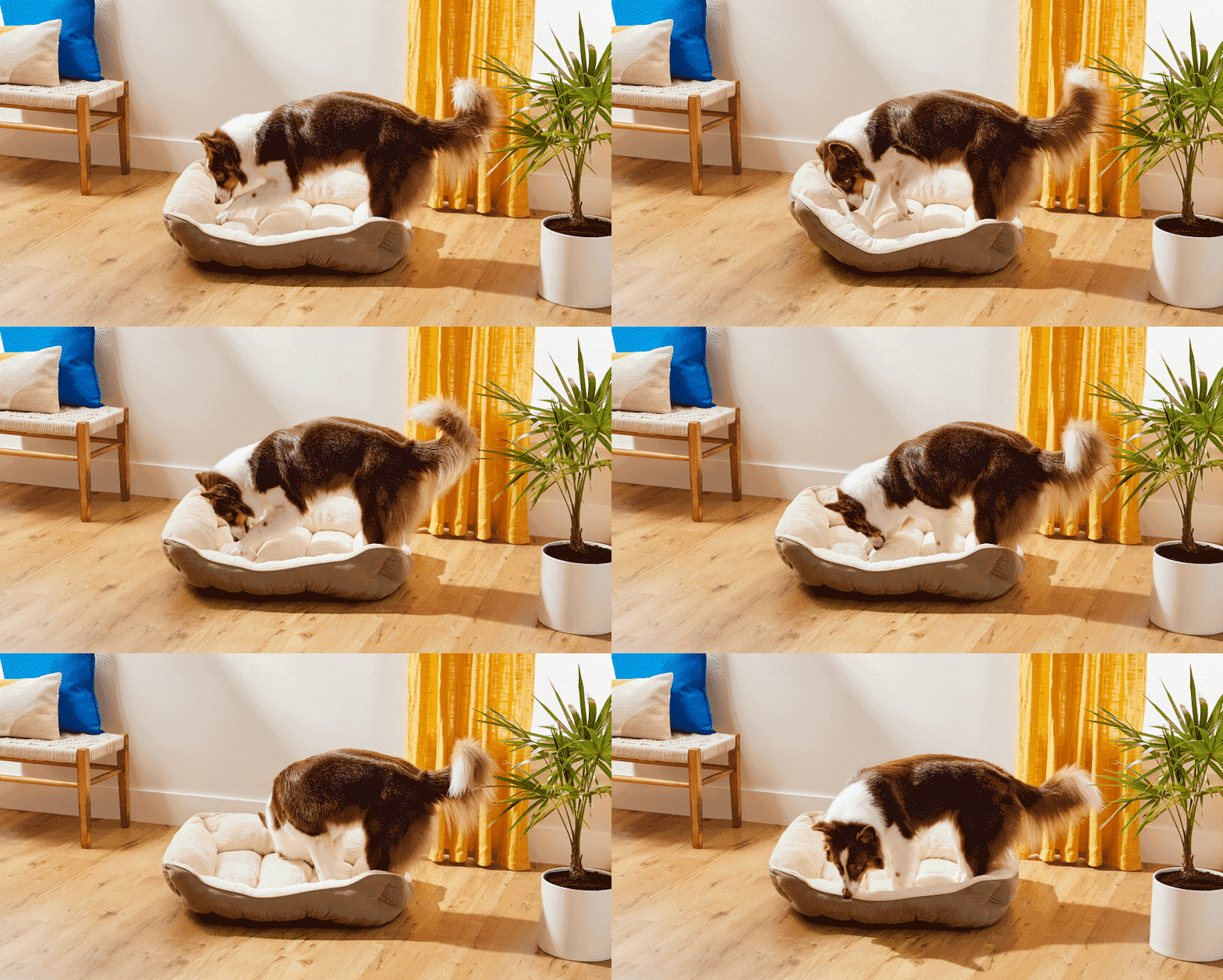
You might wonder, Why does my dog scratch their bed before lying down? This behavior is rooted in normal canine instincts. Wild canids scratch the ground to build a soft nest, check for pests, and mark territory. Your dog does a modern version of that on a cushion, couch, or duvet.
Scratching also spreads scent from paw pads. Dogs have glands that leave a light odor that says, this spot is mine and safe. The movement fluffs the bedding for comfort. It also helps with temperature control by exposing cooler or warmer layers.
When the routine is brief and gentle, it is healthy. When it becomes frantic, loud, or causes damage, it may signal a problem. That is when we take a closer look.
Source: chewy.com
The main reasons dogs scratch before they settle
If you keep asking, Why does my dog scratch their bed before lying down?, it helps to match the behavior to a cause. Look at context, timing, and body language.
Instinct and nesting
This is the top reason. Dogs circle and scratch to shape a den-like spot. The motion calms the brain and prepares the body to rest.
Scent-marking and territory
Scratching leaves scent from the paws. It is a way to claim space and feel secure. You may see more of this after guests visit or in new places.
Comfort and pressure relief
Some dogs adjust blankets to pad sore joints. They test the surface with quick paw taps. If your dog settles fast after a few scratches, comfort is the likely cause.
Temperature control
Dogs may dig to uncover a cool sheet or bunch fabric for warmth. Short-haired dogs scratch to build a cozy pile. Thick-coated dogs scratch to find airflow.
Stress, arousal, or boredom
Scratching can be a displacement behavior. It gives the body something to do when the mind feels keyed up. Look for lip licking, yawning, or pacing with it.
Itch, pain, or medical issues
Fleas, mites, or allergies can make a dog scratch the bed and themselves. Arthritis, hip pain, or neuralgia can drive bed prep as they seek support. Senior dogs with cognitive decline may scratch more at night.
My field note: I once worked with a senior Lab who dug hard for minutes each evening. We found arthritis and adjusted the bed to be firmer with side bolsters. We added a gentle heat source and better pain control. Scratching dropped to a few seconds, and sleep improved.

Normal versus concerning: when to worry
Another way to answer, Why does my dog scratch their bed before lying down?, is to sort normal ritual from warning signs. Short, soft scratching before sleep is typical. Problems creep in when intensity, duration, or damage rise.
Red flags include:
- Skin lesions, hair loss, or constant body scratching
- Whining, yelping, or sudden changes in routine
- Scratching that wakes the household or shreds fabric
- Night-time restlessness, panting, or pacing
- New anxiety after a move, storm, or family change
What to do:
- Record a short video to show your vet or trainer
- Check for fleas, dry skin, hot spots, or ear issues
- Press along the spine and hips to note tender spots
- Review nails and paw pads for cracks or debris
Veterinary teams often rule out parasites, dermatitis, allergies, and pain. For seniors, they consider cognitive dysfunction. Behavior pros check for anxiety and compulsive patterns.

How to reduce or redirect excessive bed-scratching
Clients often ask me, Why does my dog scratch their bed before lying down? Then they ask how to help. Support comfort first. Then train calm habits.
Environment upgrades:
- Choose the right bed: orthopedic foam for big dogs; nest beds for curlers
- Offer bolsters for head and joint support
- Layer a washable topper so your dog can “nest” without harm
- Provide cooling mats or a breathable cotton sheet in summer
- Use a vet-approved warming pad under a cover in winter
Care and comfort:
- Keep nails trimmed and smooth to protect fabric and paws
- Wash bedding weekly to cut dust mites and allergens
- Brush often to reduce itch and static
- For itchy skin, ask your vet about diet trials, medicated wipes, or antihistamines
Calm the mind:
- Add a steady evening routine: potty, light play, water, settle
- Use chews, lick mats, or stuffed toys to ease arousal
- Try white noise or a fan for sound masking
- Consider a pheromone diffuser in the sleep area
If you still ask, Why does my dog scratch their bed before lying down?, track the behavior in a log. Note time, duration, and what helped. Patterns lead to fixes.

A simple, step-by-step training plan for smoother bedtimes
Training answers that nagging, Why does my dog scratch their bed before lying down?, by giving your dog a clear job and reward.
Step-by-step:
- Teach place. Lure your dog onto the bed. Mark yes. Treat on the bed.
- Add a settle cue. When the hips drop, whisper settle. Feed calm treats low and slow.
- Capture quiet. If scratching starts, pause. As soon as they stop and lie, mark and reward.
- Build duration. Feed fewer but better treats for longer calm on the bed.
- Redirect excess energy. If scratching ramps up, calmly guide to a short sniffy walk or brief tug, then try settle again.
- Fade food. Swap to praise and a chew reserved only for bedtime.
Trainer tip: Use a textured mat on top of the bed. Many dogs scratch the top layer, then relax. You save the bed and keep the ritual.

Related bedtime rituals decoded
Sometimes the question Why does my dog scratch their bed before lying down? comes with other quirks. Here is what they may mean.
Common rituals:
- Circling three to five times: checking space and aligning the spine
- Burrowing under blankets: seeking warmth and a den feel
- Pawing at you: asking for help shaping the bed or for contact
- Sighing or groaning as they drop: releasing tension
- Night zoomies before crashing: excess energy that needs a short outlet
Most of these are normal if brief and gentle. If they spike in intensity or start with stress signs, adjust routine and check health.

Frequently Asked Questions
Is bed-scratching a sign of anxiety?
It can be, especially if paired with panting, pacing, and whining. Rule out pain and itch first, then address stress with routine and training.
Could fleas or allergies cause scratching the bed?
Yes. Itchy skin from fleas, mites, or allergies can spill into bed-scratching. Check the coat, use preventives, and speak with your vet for treatment.
How do I stop my dog from destroying their bed?
Offer a durable bed with a washable topper, trim nails, and redirect to a chew on the bed. Reinforce calm settling with treats and a settle cue.
Does age change this behavior?
Seniors may scratch more due to arthritis or cognitive decline. A supportive bed and a vet check often help a lot.
Should I correct or scold the behavior?
No. Scolding can add stress and make things worse. Guide gently, reward calm, and manage the environment.
Why does my dog scratch their bed before lying down on my couch but not their crate?
Your dog may prefer the couch texture, warmth, or scent. Add a similar cover or topper to the crate bed to mimic that feel.
Conclusion
Bed-scratching is usually a smart mix of nesting, scenting, and comfort-seeking. When you ask, Why does my dog scratch their bed before lying down?, look at the whole picture: surface, temperature, health, and stress. Small changes to the bed, the routine, and your training plan can turn frantic digging into a calm settle.
Try one upgrade tonight and track the result for a week. If you see red flags, call your vet or a certified trainer. Want more practical guides like this? Subscribe, share your dog’s bedtime story in the comments, and let’s help more pups sleep sound. let’s help more pups sleep sound.