

How To Clean The Cat Litter Box: Expert Tips 2026
Scoop waste daily, top up fresh litter, and wash the box weekly.
If you have ever wondered how to clean the cat litter box the right way, you are in the perfect place. I’ve cleaned hundreds of boxes as a longtime foster and behavior coach. This guide shows simple steps that work, backed by vet advice and years of hands-on care. Keep reading to make your box fresher, your home cleaner, and your cat happier.
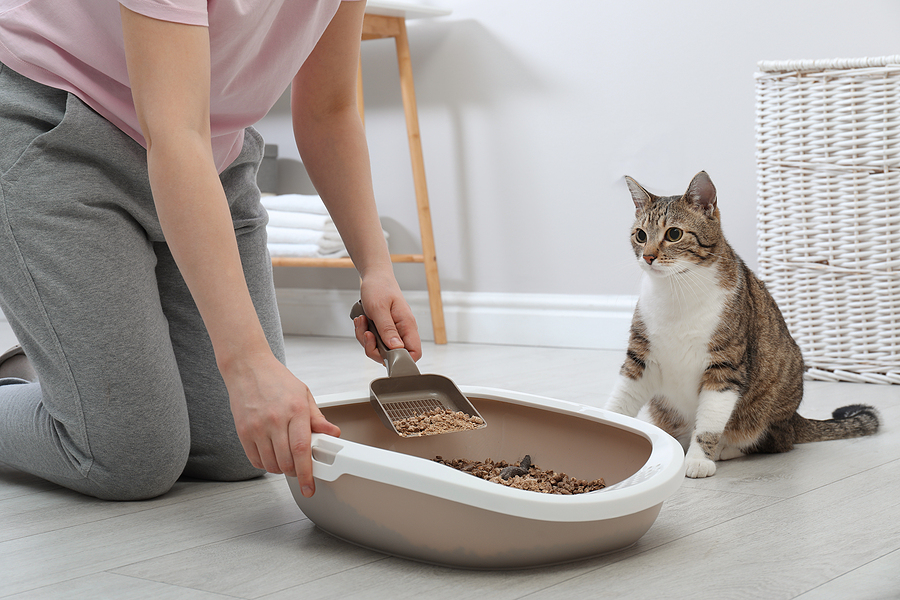
Why a clean litter box matters
A clean box protects health. Ammonia from urine can irritate eyes and lungs. Dirty boxes raise stress and can lead to accidents on rugs or beds. Regular care also lets you spot changes in pee and poop fast, which helps your vet.
Cats prefer a fresh, low-odor spot. Daily scooping keeps the smell down and the box inviting. If you want a calm home, learn how to clean the cat litter box with a steady routine.
Tools and supplies you need
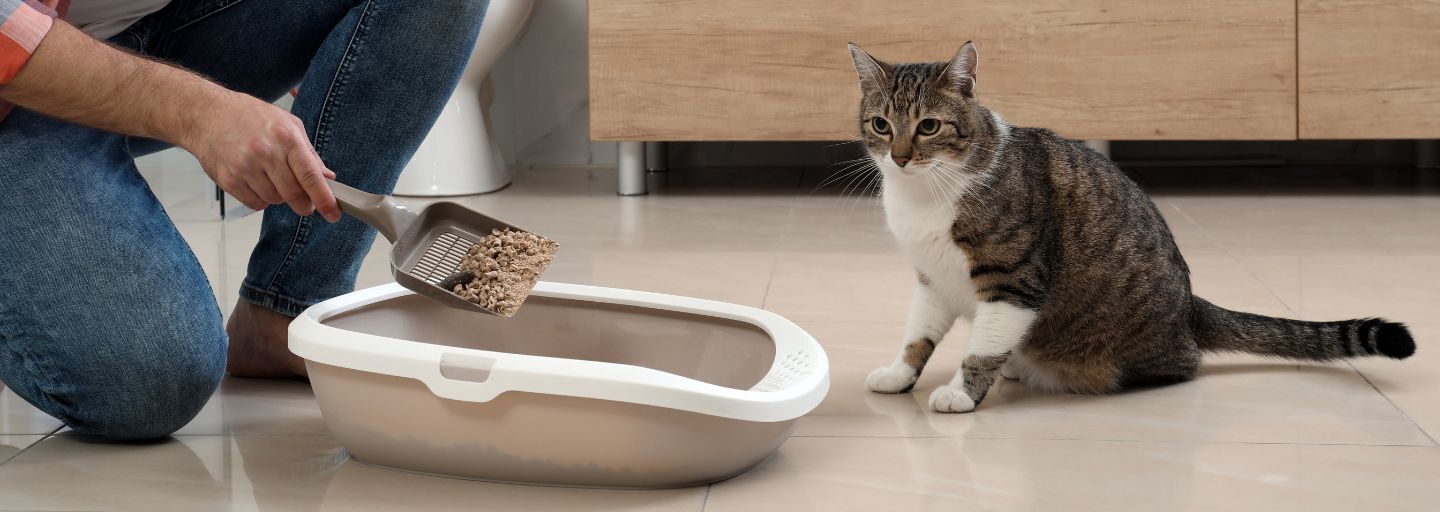
Set up a small kit so the job is quick.
- Litter scoop with strong tines for clumps
- Disposable gloves and a mask if you are dust sensitive
- Trash bags or a sealed waste pail
- Mild dish soap and hot water for weekly wash
- Enzymatic cleaner or diluted bleach for disinfecting
- Paper towels or a dedicated scrub brush
- Baking soda for light odor control
- A floor mat to catch litter tracking
These items make how to clean the cat litter box simple and fast. Avoid strong scents that may drive your cat away. Never mix bleach with ammonia. Rinse well and let the box dry before adding litter.
Daily routine: how to clean the cat litter box fast
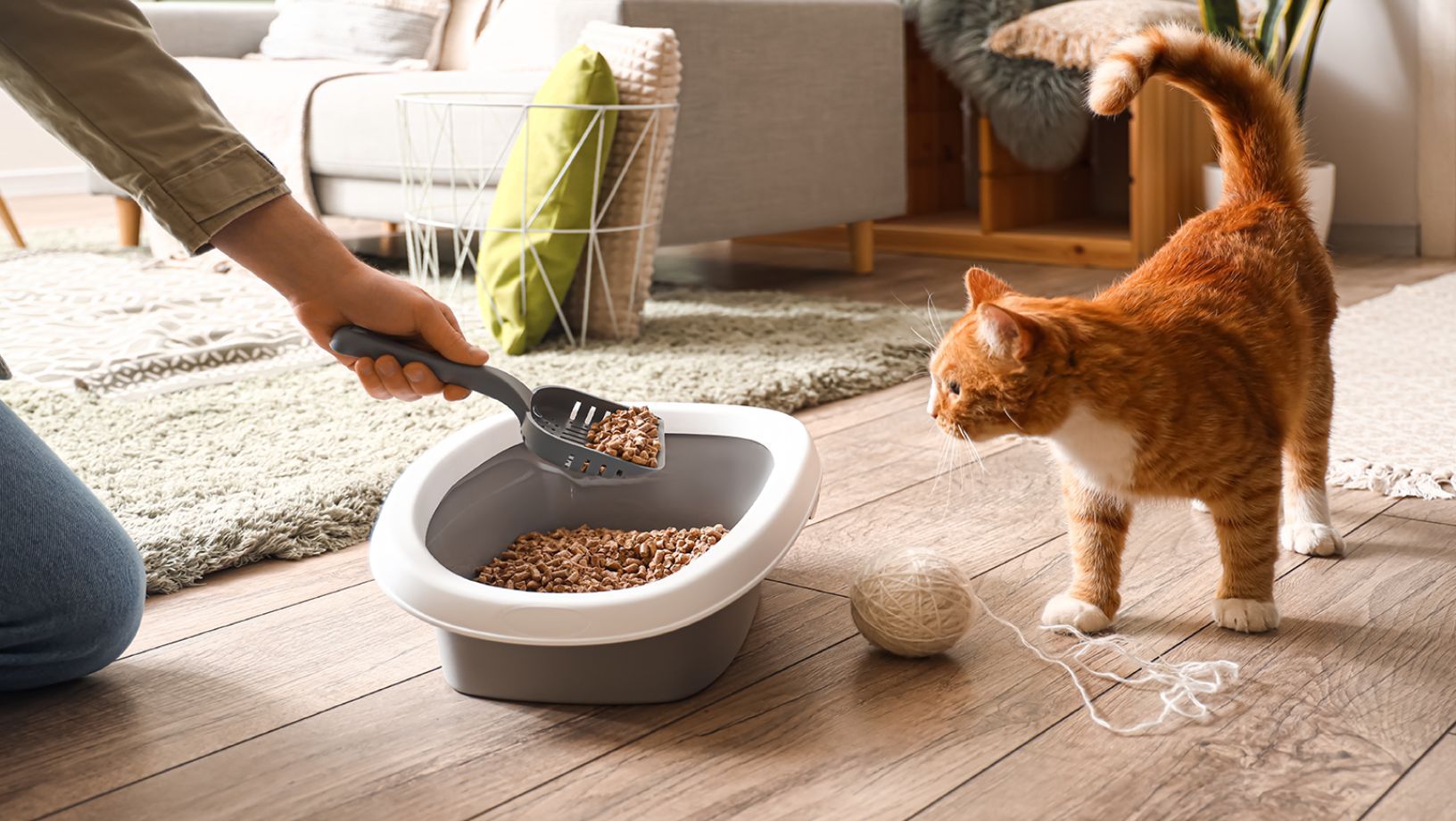
Do this once or twice a day. It takes three to five minutes.
- Wash your hands. Put on gloves if you like.
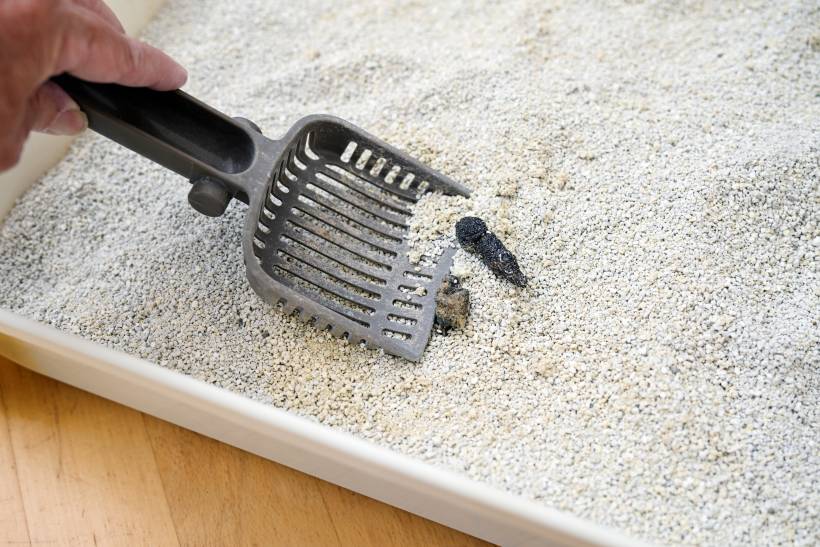
- Scoop all solids and clumped urine. Scrape the corners and edges.
- Bag the waste. Tie it tight. Do not flush clumping litter.
- Top up fresh litter to a depth of 2 to 3 inches.
- Wipe the rim and the scoop handle. Put the scoop back in a clean holder.
- Wash your hands again.
This is the core of how to clean the cat litter box without stress. A steady time slot helps, like after breakfast and before bed. Your cat will notice and use the box more.
Weekly deep clean: step-by-step
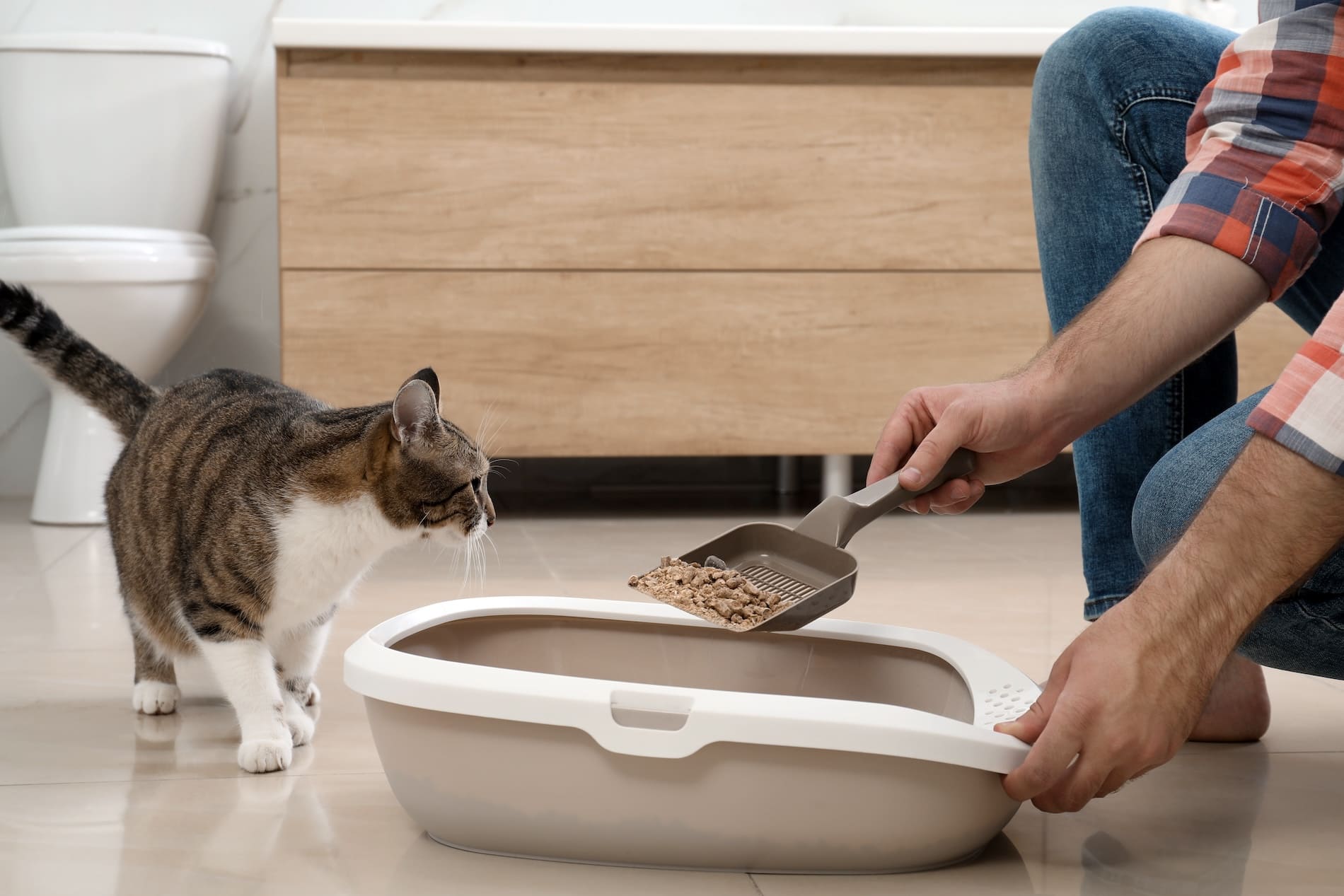
A deep clean keeps stains and smells from building up. Aim for once a week. For non-clumping or multi-cat homes, do it more often.
- Move the box to a sink, tub, or outdoor area.
- Empty all litter into a trash bag. Tie it closed.
- Wash the box with warm water and mild soap. Scrub seams and corners.
- Rinse well. Then disinfect with diluted bleach (1 part bleach to 32 parts water) or an enzymatic cleaner. Wait 5 minutes.
- Rinse again and air dry fully. Sunlight helps.
- Refill with fresh litter. Note the date.
Self-cleaning boxes still need this. Check the rake, sensors, and waste drawer every week. This is the best way for how to clean the cat litter box so it stays safe and odor-free.
/litter-box-maintenance-555200-hero-ff62efa937d9459b95f58e187857d33f.jpg)
Odor control and indoor air tips
Good air makes a big difference. Simple steps work best.
- Ventilate the room and use a small fan or open window.
- Add a thin sprinkle of baking soda under the litter. Do not overdo it.
- Choose an open box if smell lingers; covered boxes trap odor and heat.
- Replace plastic boxes yearly. Scratches hold stink.
- Use an air purifier with a HEPA filter if dust bothers you.
These moves support how to clean the cat litter box so your home smells fresh. Skip heavy perfumes. Cats have strong noses and may avoid the box.

Litter types and how they change cleaning
The type of litter guides your routine.
- Clumping clay: Easy to scoop. Scoop daily and deep clean weekly. Can be dusty.
- Silica gel crystals: Low dust and good odor control. Stir daily; replace monthly or as the brand says.
- Non-clumping clay: Cheap but needs full changes often, at least once or twice a week.
- Plant-based (corn, wheat, pine, paper): Often lower dust and lighter. Many clump well. Some can attract bugs or mold if damp.
- Pellets vs fine grains: Pellets track less. Fine grains feel softer and may be preferred by many cats.
Match your plan for how to clean the cat litter box to the litter you pick. Test small bags first to see what your cat likes.
:max_bytes(150000):strip_icc()/cleaning-litter-box-1218969227-2000-9e4f580eb48242078562aa3de6d93257.jpg)
Hygiene and safety for people and pets
Keep it clean and safe for all.
- Wash hands after each scoop. Use gloves if you have cuts.
- Pregnant people should not scoop due to Toxoplasma gondii risk. If no one else can, wear gloves and a mask, and scoop daily. Fresh waste is safer because oocysts need time to become infectious.
- Keep boxes away from food areas.
- Do not use harsh sprays or strong scents. They can push your cat away.
If you follow these steps, how to clean the cat litter box stays low-risk and simple.
Multi-cat homes and smart scheduling
More cats means more boxes and more care.
- Use one box per cat, plus one extra.
- Spread boxes in different rooms so cats have choice.
- Scoop at least twice a day. Deep clean each box weekly.
- Use large boxes. Big cats need space to turn and dig.
With this setup, how to clean the cat litter box in a busy home still feels easy.
Common mistakes and how to fix them
Avoid these to keep your cat happy.
- Too little litter: Use at least 2 inches so clumps do not stick.
- Strong scents: Many cats hate them. Pick unscented options.
- Wrong spot: Place the box in a quiet, low-traffic area with easy access.
- Skipping deep cleans: Stains and odor build fast.
- Tiny boxes: Choose a box 1.5 times your cat’s body length.
Fixing these helps how to clean the cat litter box feel smooth and stress-free.
Eco-friendly and budget tips
You can save money and be kind to the planet.
- Buy litter in bulk and store it dry.
- Try plant-based or wood pellets if you want a renewable option.
- Use a metal scoop. It lasts for years.
- Avoid flushing. Many cities ban it, and parasites can reach water.
- Do not compost cat waste for food gardens.
These choices support how to clean the cat litter box without waste or high cost.
Troubleshooting smells, tracking, and box refusal
Use these checks when things go wrong.
- Strong odor fast: Scoop more, switch litter, or replace an old box. Rule out health issues like UTIs with your vet.
- Pee outside the box: Add boxes, remove covers, and pick a softer litter. If it starts fast, call your vet.
- Litter tracking: Use a large mat, a high-sided box, or a top-entry box if your cat likes it.
These quick wins improve how to clean the cat litter box and keep peace at home.
Frequently Asked Questions of how to clean the cat litter box
How often should I scoop the litter?
Scoop at least once a day, twice if you can. More scooping means less smell and more use by your cat.
What is the best cleaner for the box?
Use warm water and mild dish soap for weekly washes. For disinfecting, use diluted bleach or an enzymatic cleaner, then rinse well.
How deep should the litter be?
Aim for 2 to 3 inches. Larger or heavy diggers may prefer a bit more depth.
How do I reduce dust while cleaning?
Pour litter slowly and close to the box. Choose low-dust litters and wear a mask if you are sensitive.
What if my cat still avoids the box?
Add one more box and move them to quiet spots. Try a softer, unscented litter and make the box larger.
Can I use liners in the litter box?
You can, but many cats dislike the feel and liners can tear. A smooth, uncovered box is often best.
How do I clean a self-cleaning litter box?
Empty the waste drawer daily and wipe sensors and the rake. Do a full wash and disinfect weekly per the manual.
Conclusion
Clean boxes keep cats healthy, calm, and loyal to the right spot. Scoop daily, deep clean weekly, and pick a litter your cat loves. Track what works, and adjust fast when things change.
Start today. Set a simple schedule, prepare your kit, and try one upgrade from this guide. If you learned something new about how to clean the cat litter box, share this article, leave a comment with your wins, and subscribe for more pet care tips.