
What Size Dog Bowl Should I Buy? : Food & Water Bowl Chart
Picking the right dog bowl size is not guesswork. A good fit matches your dog’s meal volume, daily water need, face shape, and space at home. It also makes cleanup simple and keeps waste down. This dog bowl size guide will help you match bowl capacity to your dog, avoid common mistakes, and spend only where it matters.
Disclosure: This article may contain affiliate links. If you buy through these links, Paw Pickly may earn a commission at no extra cost to you.

Dog Bowl Size Guide: Capacity by Weight, Breed Type, and Meal Volume
Dog bowl size depends on what goes in it. Kibble takes less space than wet food. Raw diets can vary by cut. So always start by measuring your dog’s meal in a standard dry measuring cup. Then match bowl capacity to that volume with a little buffer. Below is a simple, conservative guide to dog bowl capacity based on typical meal sizes for different weight ranges. Use it as a first pass, then tune.
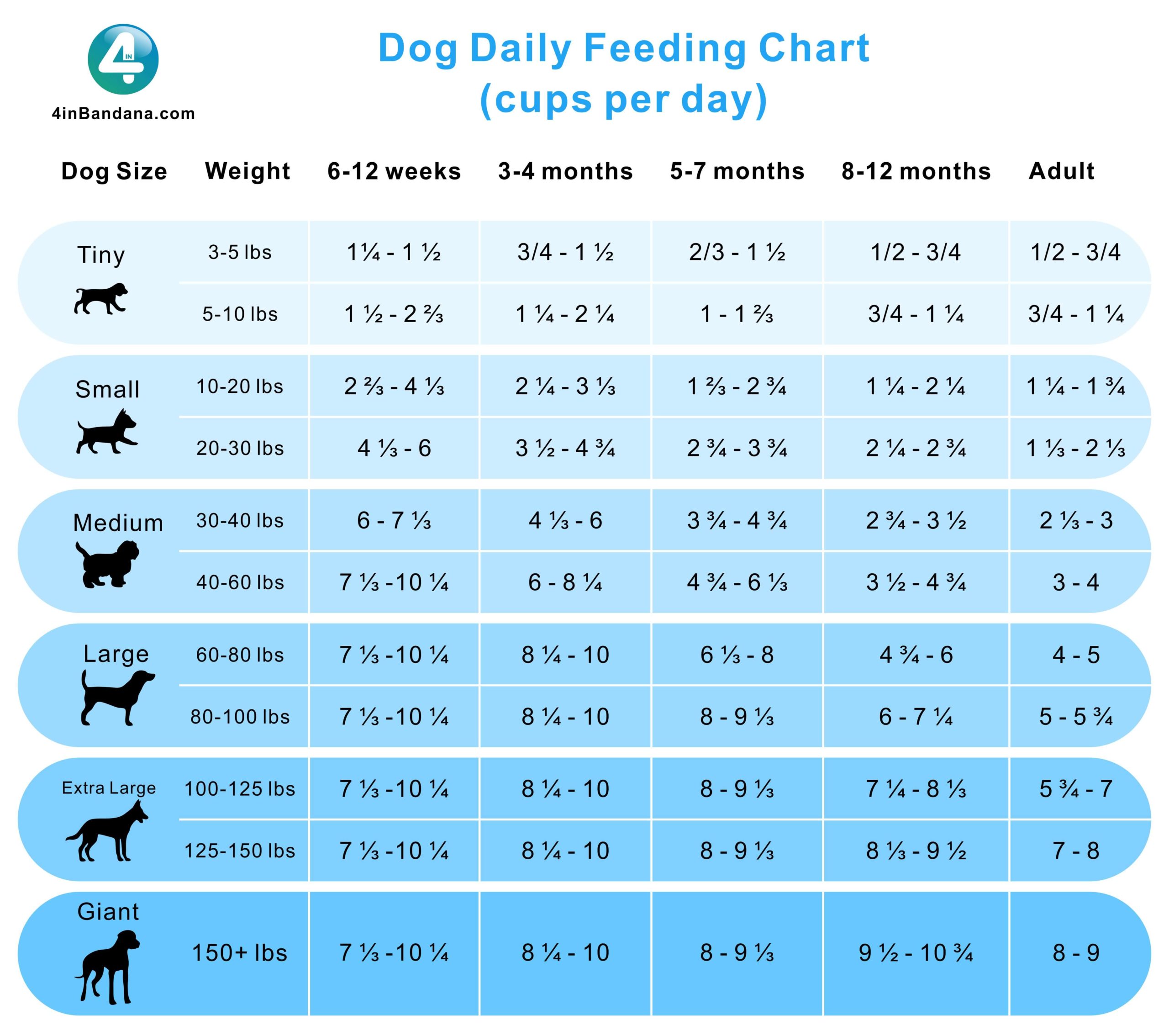
Suggested dog food bowl capacity (cups)
-
Toy (up to 10 lb)
- Typical meal: 1/8–1/2 cup
- Bowl capacity: 1–1.5 cups
- Notes: Go shallow. Wide rim helps tiny dogs eat without whisker stress.
-
Small (10–20 lb)
- Typical meal: 1/2–1 cup
- Bowl capacity: 2–3 cups
- Notes: If mixing wet toppers, choose 3 cups for room to stir.
-
Medium (20–40 lb)
- Typical meal: 1–2 cups
- Bowl capacity: 4–5 cups
- Notes: A slow feeder bowl may help gulpers and reduce mess.
-
Large (40–70 lb)
- Typical meal: 2–3 cups
- Bowl capacity: 6–7 cups
- Notes: Choose heavier bowls to resist sliding. Consider a mat.
-
Extra Large (70–100 lb+)
- Typical meal: 3–4+ cups
- Bowl capacity: 8–10+ cups
- Notes: Deep bowls reduce slosh. Wide base improves stability.
These ranges assume a dry food base. If you use 100% wet food or mix raw, size up one step to prevent spillover.
Tip: 1 US cup equals 8 fluid ounces by volume. Kibble densities vary. One brand’s “1 cup” may be lighter or heavier than another. Always check your brand’s feeding guide and measure by volume.
How to Measure Your Dog’s Meal in Cups (So You Choose Right the First Time)
One five-minute check saves you returns and mess. Grab a dry measuring cup and your dog’s normal food. Measure what you actually feed for one meal, not the bag’s label guess.
Steps:
- Scoop a normal meal with a standard measuring cup. Level it with a flat edge.
- Note the exact amount per meal (for example, 1.25 cups).
- If you add wet food, frozen toppers, broth, or water, add that too. Measure the total mix-in volume.
- Multiply the final meal volume by 1.5–2x to get your bowl’s target capacity. This buffer handles stirring, fast eaters, and small spills.
- If your dog eats two different meal sizes per day, size for the larger meal.
Example: If a meal is 1.25 cups of kibble plus 1/4 cup wet topper, that is about 1.5 cups in the bowl. A 3-cup bowl gives easy room to stir and reduces spills.
Water Bowl Size: Daily Needs and Spill Control
A water bowl that is too small runs dry. One that is too light flips easy. Aim for a size that covers at least half a day’s intake with a comfort margin. A common guideline is about 1 ounce of water per pound of body weight per day for healthy adult dogs. Puppies, nursing dogs, hot weather, hard play, and certain diets can change needs. Ask your vet if you are unsure.

Simple picks:
- 5–20 lb dogs: 2–4 cups
- 20–50 lb dogs: 4–8 cups
- 50–90 lb dogs: 8–12 cups
- 90+ lb dogs: 12–16+ cups
If your dog splashes or dunks toys, go one size up and add a non-slip mat with a raised lip. Deep, narrow bowls slosh less when you carry them. Wide, shallow bowls feel easier for flat-faced dogs.
Bowl Height and Shape: Flat, Deep, Wide, and When to Elevate
Height and shape can fix daily annoyances. The right profile reduces whisker stress for cats, but dogs can feel it too when bowls are too narrow. Wide, shallow bowls help short muzzles. Deeper bowls help long muzzles reach food without pushing it over the rim. Elevated bowls are a debated topic. For many healthy dogs, floor-level is fine. Some tall or stiff senior dogs may be more comfortable with a modest lift. Talk with your vet if you have a large, deep-chested breed or bloat concerns. Research on bloat and raised bowls is mixed.
Multi-Pet Homes and Feeding Zones: How to Size and Place
Two dogs. One bowl area. Chaos. A little planning fixes it. Choose bowl sizes for each dog, then place and space them so each pet eats in peace. If sizes differ a lot, use different capacities and shapes to reduce swapping. Slow feeders let fast eaters pace down.
Tips for multi-pet setups:
- One bowl per dog. Same time, spaced areas.
- If resource guarding happens, feed in separate rooms or crates.
- Use non-slip mats with raised edges to define each dog’s spot.
- For floor-level grazers and gulpers, slow feeders help balance speed.
- For dogs and cats together, put cat bowls up high and dog bowls on the floor.
If you free-feed kibble, at least size the bowl so it does not overflow. But measured meals help with weight control and tracking appetite.
Add-Ons That Help: Anti-Splash Mats, Slow Feeders, and Scoops
You can fix many mess and speed issues without buying a whole new bowl. Add-ons are cheap and make daily care smoother.
- Non-slip mats with lips: Catch splashes and crumbs. Easy to pick up and rinse.
- Slow feeder inserts or bowls: Create ridges to slow eating. Size by meal volume (for example, up to 1.5 cups; up to 3 cups; up to 5 cups; over 6 cups).
- Scoops with cup marks: Keep portions clear. Less guesswork means better bowl sizing.
- Splash lids for water: Reduce waves for big tongues.
Budget and Value: What to Spend and Where to Save
You do not need to overspend on a dog bowl. Focus on size, stability, and cleaning. Stainless steel offers great value and lasts long. Ceramic looks nice and stays put but can chip. Silicone packs small but is not ideal for heavy daily use.
Spend more on:
- A cleanable, non-slip setup that fits your dog’s meal and water needs.
- A slow feeder if you have a gulper.
- A sturdy water bowl that will not run dry daily.
Where to save:
- Skip flashy features that do not solve a real problem for your dog.
- Choose simple shapes that are easy to wash.
Product Shortlist by Dog Bowl Size (Capacity Ranges and Use Cases)
Here are simple, no-fluff size categories with the problems they solve. Use these as a starting point, then check the latest price and specs from the maker before purchasing.
| Product Type | Recommended Bowl | Best For | Why It Works | Product Link |
|---|---|---|---|---|
| Small Dog Food Bowl | 1–1.5 cup stainless steel bowl with non-slip ring | Puppies and small dogs eating 1/8–1/2 cup per meal | Compact, easy to clean, and properly sized for small portions. | [Check Price on Amazon] |
| Medium Dog Slow Feeder Bowl | 4–5 cup slow feeder bowl | Medium dogs eating 1–2 cups per meal and fast eaters | Provides enough capacity while helping slow down rapid eating. | [Check Price on Amazon] |
| Large Dog Food Bowl | 6–7 cup deep stainless steel bowl | Large dogs eating 2–3 cups per meal | Deep sides help contain kibble and reduce spills. | [Check Price on Amazon] |
| Large Water Bowl | 8–12 cup weighted stainless steel water bowl | Dogs between 50–90 lb that need fewer water refills | Larger capacity and a weighted base help reduce tipping and mess. | [Check Price on Amazon] |
| Travel Dog Bowl | Collapsible silicone bowl, up to 4–6 cups | Walks, road trips, hikes, and travel | Lightweight, foldable, and practical for carrying food or water. | [Check Price on Amazon] |
Always check the latest price and availability before purchasing. Read care labels for dishwasher safety. Replace damaged bowls right away.
How to Pick a Dog Bowl Size in 4 Steps (Works for Any Breed)
Sizing becomes simple when you break it down. Here is a clear path.
- Measure the meal in cups
- Use a dry measuring cup. Note the largest meal you serve.
- Add buffer
- Multiply that meal by 1.5–2x to pick bowl capacity. Add more space for wet toppers and broth.
- Choose shape by muzzle and mess
- Short muzzles: wide and shallow.
- Long muzzles: deeper is fine.
- Long ears: deeper, narrower opening.
- Sloppy eaters: taller sides and a mat.
- Gulpers: slow feeder sized to the meal.
- Size the water bowl for half-day coverage
- Use the weight-based range above.
- If your dog runs dry often, size up one step.
Common Sizing Mistakes (And Quick Fixes)
Most dog bowl problems come from being one size off. Fix these and your daily routine feels easier.
-
Bowl too small for the meal
- Symptom: Food spills over the rim when you stir or your dog noses it out.
- Fix: Go up one capacity step. Add a mat.
-
Bowl too big for a tiny meal
- Symptom: Your dog chases kibbles around the bowl; eats less.
- Fix: Downsize for smaller dogs, or use a slow feeder with narrow channels.
-
Water bowl runs dry by afternoon
- Symptom: Frequent refills; cracked lips or dry gums can happen in hot weather.
- Fix: Size up and place the bowl in a cooler spot. Talk to your vet if thirst seems high.
-
Bowl slides or flips
- Symptom: Noisy meals, puddles.
- Fix: Add a non-slip mat or pick a heavier bowl.
-
Wrong shape for your dog’s face
- Symptom: Flat-faced dogs struggle to reach food; long-eared dogs soak ears.
- Fix: Choose wide and shallow for short muzzles; deep and narrow for long ears.
Breed-Style Examples: Capacity Picks You Can Tailor
These are not breed rules. They are style cues. Dogs vary by age, weight, diet, and activity. Always measure the actual meal.
-
French Bulldog (20–28 lb), 3/4–1.5 cups per meal
- Food bowl: 3–4 cup wide, shallow or tilted slow feeder.
- Water bowl: 4–8 cups, heavier base to reduce splashes.
-
Beagle (20–30 lb), 1–2 cups per meal (often a gulper)
- Food bowl: 4–5 cup slow feeder to slow intake.
- Water bowl: 4–8 cups, add a mat.
-
Labrador Retriever (55–80 lb), 2–3 cups per meal
- Food bowl: 6–7 cups, durable stainless or slow feeder.
- Water bowl: 8–12 cups, weighted. Consider fountain if refilling is a pain.
-
German Shepherd (60–90 lb), 2.5–4 cups per meal
- Food bowl: 7–10 cups, deep. Ask your vet about raised vs floor feeders for your dog.
- Water bowl: 8–12+ cups.
-
Toy Poodle (6–10 lb), 1/8–1/2 cup per meal
- Food bowl: 1–1.5 cups, shallow.
- Water bowl: 2–4 cups.
-
Cocker Spaniel (20–30 lb), 1–2 cups per meal, long ears
- Food bowl: 4–5 cups, deeper, narrower opening to keep ears out.
- Water bowl: 4–8 cups, consider splash lip.
Dog Bowl Capacity: Cups, Ounces, and Why “One Size” Is Misleading
A “large” bowl in one brand can equal a “medium” in another. Focus on capacity in cups and the bowl’s inner depth. If a listing shows liters, here is a rough idea:
- 1 cup = 8 fl oz ≈ 237 ml
- 2 cups ≈ 16 fl oz ≈ 473 ml
- 4 cups ≈ 32 fl oz ≈ 946 ml
- 8 cups ≈ 64 fl oz ≈ 1.9 L
- 12 cups ≈ 96 fl oz ≈ 2.8 L
- 16 cups ≈ 128 fl oz ≈ 3.8 L
Measure your dog’s meal with a cup, then choose a bowl that lists the capacity in cups or liters near that number with room to spare.
Cleaning Workflow That Keeps Bowls Fresh With Less Work
A small system keeps your kitchen cleaner and your dog healthier. You do not need special soap. You need consistency and a place to dry bowls well.
- Keep two sets of bowls. One set in use. One set clean and dry.
- After meals, rinse, then wash with warm, soapy water or run the dishwasher if the bowl is labeled safe.
- Dry fully to prevent slime and musty smells.
- Scrub rubber rings and mats once a week.
- Replace bowls with any chips, cracks, or deep scratches.
If your dog gets chin acne or skin irritation, ask your vet. Some dogs do better when switching from plastic to stainless because it resists scratches.
Troubleshooting: If Your Dog Still Makes a Mess
| Problem | Simple Fix | Why It Helps |
|---|---|---|
| Water splashes onto the floor | Use a feeding mat with raised edges | It catches water, crumbs, and kibble so cleanup is faster. |
| Water bowl overflows easily | Fill the bowl slightly below the rim | Leaving about one inch of space helps reduce splashing when your dog drinks. |
| Bowl slides or tips over | Switch to a heavier stainless steel or ceramic bowl | A weighted bowl stays in place better on tile, wood, and other smooth floors. |
| Dog eats too quickly or scatters food | Try a different slow feeder pattern | Wider channels suit some dogs, while tighter patterns work better for others. |
| Drool collects around the bowl | Choose a deep bowl with an inward lip | It will not stop drool completely, but it can reduce splashes around the feeding area. |
Frequently Asked Questions About dog bowl size
How do I know my dog bowl is too small?
If food spills when you stir, or your dog noses kibble over the rim, it is too small. Size up one step so the bowl is at least 1.5–2x the meal volume.
What size water bowl for a 50 lb dog?
A practical range is 8–12 cups for a 50 lb dog, so you are not refilling all day. Always keep water fresh and clean. Ask your vet if your dog drinks much more or less than typical.
Should I buy a large bowl so my puppy “grows into it”?
Buy for today’s meals. Oversized bowls can make portioning hard and lead to mess. Update as your puppy’s meals increase.
Do slow feeder bowls come in different sizes?
Yes. Many slow feeders list capacity ranges such as up to 1.5 cups, up to 3 cups, up to 5 cups, or larger. Pick a slow feeder that holds at least 1.5–2x your dog’s meal.
Are raised bowls better?
Not always. Stands can help tall or stiff dogs eat more comfortably, but they are not a must for most healthy dogs. Research on bloat risk and raised bowls is mixed. Ask your vet for advice based on your dog.
Final Take
The most important factor in dog bowl size is your dog’s meal volume in cups. Once you know that, pick a bowl that holds 1.5–2x the meal, and a water bowl sized for at least half a day of drinking. Shape and material come next.
Spend more if your dog gulps, splashes, or tips bowls. A slow feeder, a heavier water bowl, or a mat with a lip saves you time each day. Keep it simple if your dog eats tidy meals and you prefer quick cleaning. Before you buy, verify capacity, dishwasher safety, and the return policy. If you want a safe default, a stainless bowl set sized to your measured meal with a non-slip mat is a solid start. Check the latest price and availability before purchasing.